

June 5, 2026

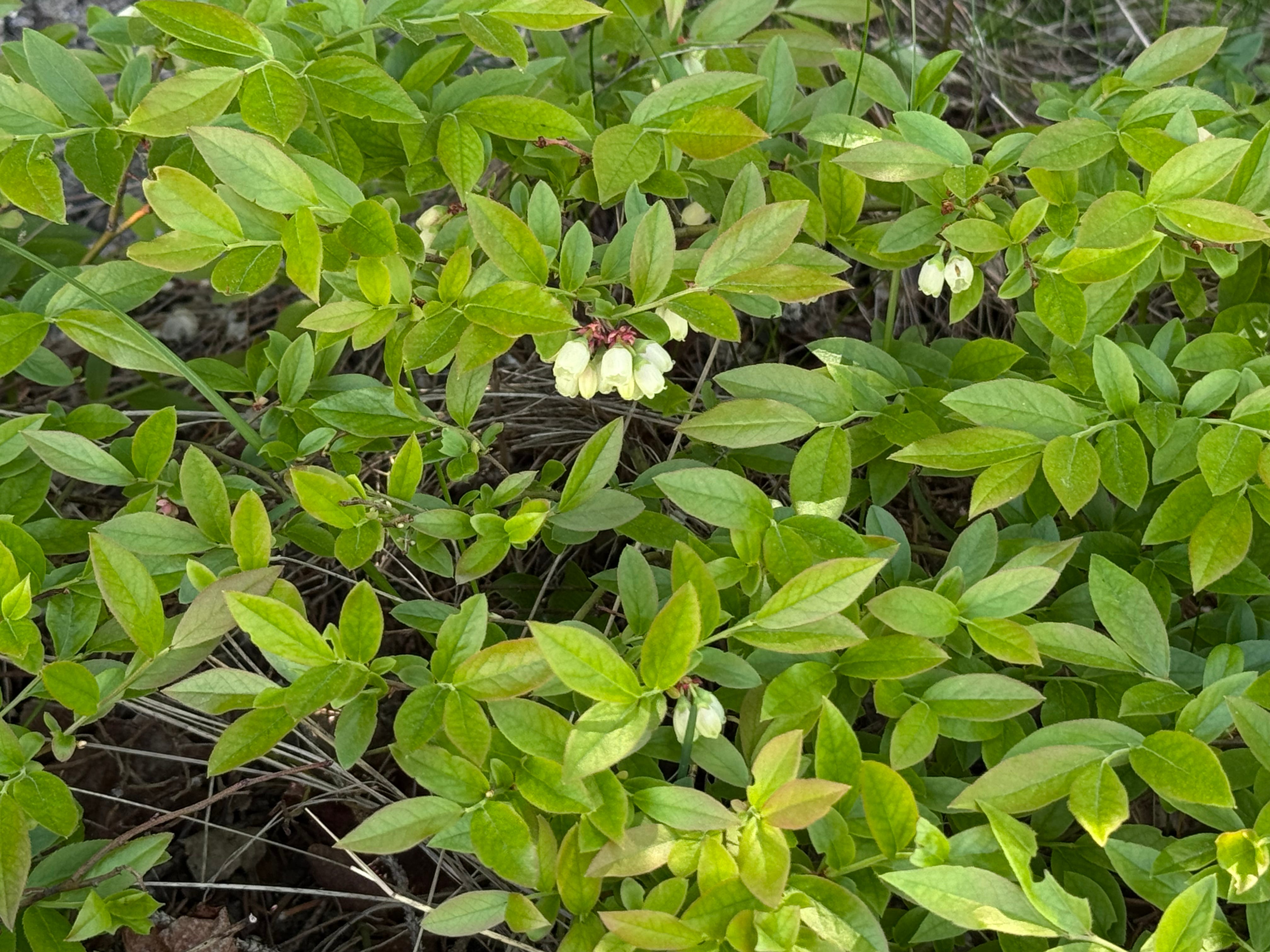
Good morning!
It’s Friday, and the blueberries beneath our mailbox are finally catching up with their cousins growing in sunnier locales. Unlike the larger, high-bush blueberries you find at the grocery store, wild blueberries don’t cooperate with industrialized agriculture. Nearly 99% of this country’s wild blueberries are grown here in Maine.
The berries are produced by wild, native, lowbush plants who need acidic soil and know better than to be tricked by a greenhouse or chemicals. They’re tiny, barely the size of a pinkie nail, with a taste so intense with flavor and feeling and memory, you sometimes have to close your eyes for a minute.
Their harvest is brief and entirely dependent on the plants receiving just the right amount of rain and sunshine, at the exact moments needed. And as we speak, these ancient and miraculous little bushes—even the one beneath my mailbox—are forming flowers that, if we’re lucky, will become this season’s harvest.
“To know how to eat well, one must first know how to wait.”
—Jean Anthelme Brillat-Savarin
Respiteers, won’t you join me in our imaginary pavilion this afternoon? I’d like to hear more about a seasonal food you look forward to all year long, and one you wouldn’t miss if it suddenly disappeared. As always, check your inbox right before 2pm EDT for the magic link.
Onwards,
Clara
The only blueberries worth eating. Sunshine in berry form! Yum
Always learning from your posts!! Here in Brazil we have a small bush that offer us with small cashew fruits ("cajuzinho do campo" - translated as small field cashew) , they also grow only on acidic soils, and in the States of Brazil that have the CERRADO type of vegetation. They are used mostly to make sweet conserve, excellent with vanillha ice cream!